

NEW PRODUCTS
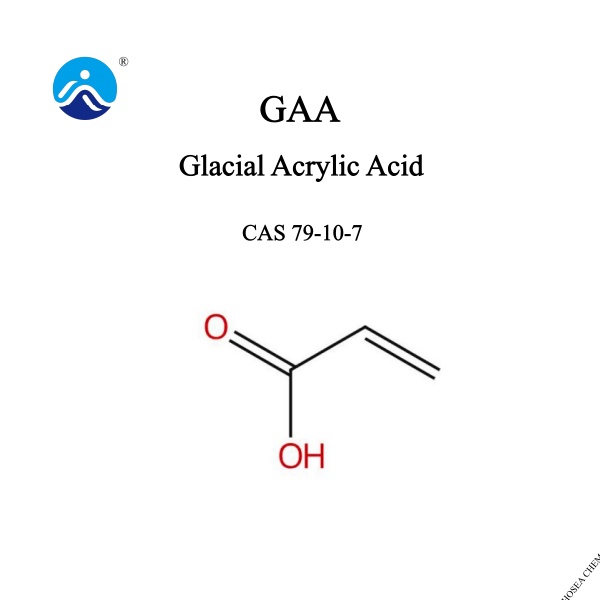
Glacial Acrylic Acid
Glacial Acrylic Acid (GAA) is a high-purity industrial acrylic monomer used in the production of superabsorbent polymers, acrylate esters, acrylic resins, adhesives and water treatment polymers. Send Inquiry
Product Description
Glacial Acrylic Acid (GAA), CAS Number: 79-10-7
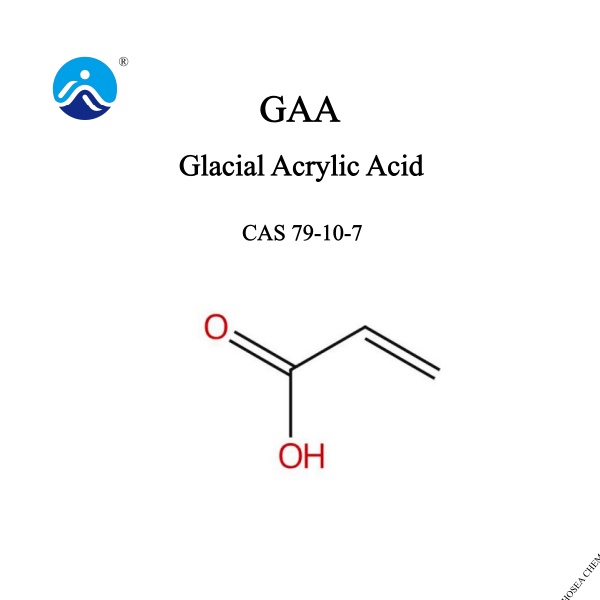
Glacial Acrylic Acid (GAA), also known as Acrylic Acid, is an important industrial organic chemical with the molecular formula C3H4O2 and a molecular weight of 72.06 g/mol. Its CAS number is 79-10-7. It is a colorless liquid above its freezing point and has a characteristic pungent odor.
Chemical Properties
Product Name: Glacial Acrylic Acid
Chemical Name: Acrylic Acid
CAS Number: 79-10-7
EC Number: 201-177-9
Chemical Formula: C3H4O2
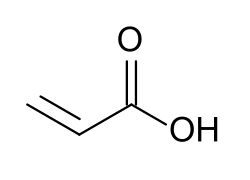
Structural Formula: CH2=CHCOOH
Molecular Weight: 72.06 g/mol
Melting Point: Approximately 13–14°C
Boiling Point: Approximately 141°C
Density: Approximately 1.05 g/cm3 at 20°C
Solubility: Miscible with water and many polar solvents
Chemical Characteristics: Unsaturated monocarboxylic acid with a polymerizable double bond
Key Features and Benefits
High Purity: Commercial industrial grades are commonly available with a purity of 99.7% or higher, depending on the agreed specification.
High Reactivity: The carbon-carbon double bond enables polymerization and copolymerization with various monomers.
Versatile Industrial Monomer: Used as a basic raw material for acrylic polymers, acrylate esters and specialty chemicals.
Broad Application Range: Supports the manufacture of superabsorbent polymers, adhesives, coatings and water treatment chemicals.
Inhibited Formulation: Commercial grades generally contain MEHQ to help control unwanted polymerization during storage and transportation.
Applications of Glacial Acrylic Acid
1. Superabsorbent Polymers (SAP)
Glacial Acrylic Acid is a major raw material for manufacturing superabsorbent polymers. After neutralization and polymerization, acrylic acid is converted into water-absorbing polymer materials used in baby diapers, adult incontinence products, sanitary products and other hygiene applications.
2. Acrylate Esters Manufacturing
Glacial Acrylic Acid is an important feedstock for producing acrylic esters, including methyl acrylate, ethyl acrylate, butyl acrylate and 2-ethylhexyl acrylate. These acrylate monomers are widely used in paints, coatings, adhesives, sealants and polymer emulsions.
3. Acrylic Resins and Coatings
Acrylic Acid is used in the manufacture of acrylic resins and copolymers for architectural coatings, industrial paints, protective coatings and specialty coating formulations.
4. Water Treatment Chemicals
Acrylic Acid is used to produce polyacrylic acid and acrylic acid copolymers. These polymers are applied as dispersants, scale inhibitors and performance additives in industrial water treatment systems.
5. Adhesives and Sealants
Acrylic acid-based polymers and copolymers are used in pressure-sensitive adhesives, construction adhesives, sealants and other bonding materials.
6. Textile and Paper Chemicals
Acrylic Acid is used in the production of specialty polymers for textile finishing, paper coating, surface treatment and other industrial chemical applications.
7. Detergents and Industrial Chemicals
Polyacrylic acid and its derivatives are used in selected detergent and cleaning formulations as dispersants and functional additives.
Typical Technical Specifications
Appearance: Clear, colorless liquid above 13°C
Purity (GC): ≥99.5% or 99.7%
Color (APHA): ≤10
Water Content: ≤0.10%
Dimer Content: ≤2,000 ppm
MEHQ Inhibitor Content: 180–220 ppm
Density at 20°C: Approximately 1.047–1.051 g/cm3
Note: These values are representative reference specifications, not a guarantee of Hosea Chem's supplied product. Please refer to the current TDS and COA for the exact commercial grade.
Packaging
1000kg/ IBC
24MT/ISO tank
Storage and Handling
Glacial Acrylic Acid is a reactive and corrosive chemical that may undergo hazardous exothermic polymerization under unsuitable conditions.
Commercial product normally contains MEHQ inhibitor. Store in compatible, approved containers under the supplier's specified temperature conditions. A controlled storage temperature, commonly around 15–25°C depending on the grade and supplier instructions, helps prevent crystallization and maintain suitable inhibitor distribution.
Transportation Information
Proper Shipping Name: Acrylic Acid, Stabilized
UN Number: UN 2218
Transport Hazard Class: 8
Subsidiary Risk: 3
Packing Group: II
Glacial Acrylic Acid is regulated as a dangerous good. Actual transport classification, packaging, labels and shipping arrangements must be verified against the current SDS and applicable regulations for the transport mode and destination.
Why Choose Hosea Chem for Glacial Acrylic Acid?
Hosea Chem provides chemical products and export supply services for international manufacturers, distributors and industrial customers.
For Glacial Acrylic Acid CAS 79-10-7, we support customer inquiries concerning product grade, purity, MEHQ inhibitor content, technical documentation, packaging and export shipping arrangements.
We welcome inquiries from superabsorbent polymer manufacturers, acrylic resin producers, acrylate manufacturers, water treatment chemical producers and international chemical distributors.
Contact Hosea Chem for current specifications, availability and bulk quotations.
Frequently Asked Questions
1. What is Glacial Acrylic Acid?
Glacial Acrylic Acid (GAA) is a high-purity commercial form of Acrylic Acid with CAS number 79-10-7. It is an important industrial monomer used in polymer production and chemical manufacturing.
2. What is the CAS number of Glacial Acrylic Acid?
The CAS number of Glacial Acrylic Acid is 79-10-7.
3. What is the molecular formula of Glacial Acrylic Acid?
Its molecular formula is C3H4O2, and its molecular weight is 72.06 g/mol.
4. What is the typical purity of Glacial Acrylic Acid?
Common industrial grades are available at 99.5% minimum purity or higher. Some commercial specifications require 99.7% minimum. The exact purity should be confirmed against the supplier's TDS and COA.
5. What is Glacial Acrylic Acid used for?
Its major applications include superabsorbent polymers, acrylate esters, acrylic resins, adhesives, coatings, water treatment chemicals, textile chemicals and specialty polymers.
6. Why is MEHQ added to Glacial Acrylic Acid?
MEHQ (hydroquinone monomethyl ether) is added as a polymerization inhibitor to help prevent unwanted polymerization during storage and transportation.
7. What is the freezing point of Glacial Acrylic Acid?
The freezing point is approximately 13–14°C. Storage and handling temperatures must follow the supplier's recommendations to avoid crystallization and unsafe thawing.
8. Is Glacial Acrylic Acid soluble in water?
Yes. Acrylic Acid is completely miscible with water under normal conditions.
9. How is Glacial Acrylic Acid packaged?
Common industrial packaging includes IBC containers and ISO tanks, subject to the product grade, supplier standards and dangerous goods transport requirements.
10. Can I buy Glacial Acrylic Acid in bulk from China?
Contact Hosea Chem with your required purity, inhibitor content, quantity and destination. We can discuss product specifications, packaging and export supply arrangements.